
The global anthelmintic API market has been experiencing significant growth, driven by a rising incidence of parasitic infections and an increasing focus on animal health. In 2023, the market size of anthelmintic APIs reached approximately $1.2 billion and is projected to grow at a compound annual growth rate (CAGR) of 5.1% until 2030. One significant challenge faced by manufacturers is the high development costs and regulatory hurdles associated with new drugs. According to a survey by the U.S. Food and Drug Administration, nearly 70% of pharmaceutical companies indicated that regulatory compliance is a considerable barrier to innovation in anthelmintics. A pressing demand for effective, safe, and affordable treatments ensures that addressing these pain points can foster substantial market growth.
Several key drivers are reshaping the anthelmintic API landscape. Strong R&D initiatives, particularly in drug formulations that increase bioavailability and reduce side effects, have gained traction. For instance, the introduction of novel drug delivery systems has been shown to enhance the efficacy of existing anthelmintic agents by up to 40%, according to the National Center for Biotechnology Information. Furthermore, the rise of sustainable practices in API production, including the utilization of bio-based raw materials, is garnering attention. Companies like Acewell are leading the charge in sustainability, integrating innovative techniques in manufacturing that not only improve yield but are less harmful to the environment.
Combination therapies for anthelmintic drugs are gaining popularity, especially in addressing multi-drug resistant parasites. According to a study published in the Journal of Antimicrobial Chemotherapy, regimen combinations have resulted in treatment success rates exceeding 80%, significantly higher than monotherapies. This trend reflects a critical response to the challenge of antibiotic resistance in the field.
The shift toward nanotechnology in drug formulation has opened avenues for more effective anthelmintics. Recent research highlighted by the Wiley Online Library shows that utilizing nanocarriers can enhance the absorption rates of medications by over 50%, allowing for lower dosages and reduced side effects. This advancement enhances both patient compliance and outcomes.
The veterinary market for anthelmintic APIs is witnessing significant expansion. A report from Mordor Intelligence indicates that the veterinary segment accounted for nearly 40% of total market share in 2022, fueled by increased pet ownership and demand for livestock health products. Innovations in this sector not only address client needs but also ensure food safety.
As resistance to standard treatments grows, comprehensive monitoring programs are being implemented globally. A survey by the World Health Organization points out that nearly 30% of all surveyed regions have adopted such programs to track anthelmintic resistance. This proactive approach fosters timely responses to emerging threats, ultimately benefiting the market.
The integration of digital tools in veterinary practices, such as diagnosis apps and telemedicine platforms, is influencing treatment dynamics for anthelmintics. The BMC Veterinary Research notes that over 60% of veterinary professionals utilize digital resources for diagnosis, underscoring a shift toward data-driven decision-making in treatment protocols.
The emerging trends in anthelmintic APIs significantly impact buyers, particularly healthcare providers and end consumers. Increased availability of combination therapies and advanced formulations leads to improved treatment options, reducing reliance on less effective monotherapies. Furthermore, the growing veterinary market indicates that pet owners can expect enhanced access to effective anthelmintic treatments, ensuring the health of their pets while also meeting safety regulations in food production.
For stakeholders in the anthelmintic API market, the following practical suggestions can enhance engagement and performance:
Anthelmintics are drugs used to treat infections caused by helminths, or parasitic worms, effectively contributing to both human and animal health.
Emerging trends such as innovative drug formulations, strong sustainable practices, and resistance monitoring enhance market growth by improving treatment efficacy and safety.
The rising trend of pet ownership and food safety concerns has led to an increased demand for veterinary anthelmintics, significantly contributing to market expansion.
For more information on cutting-edge solutions in the anthelmintic space, explore Acewell's extensive range of products and initiatives aimed at addressing these contemporary issues in the pharmaceutical landscape. 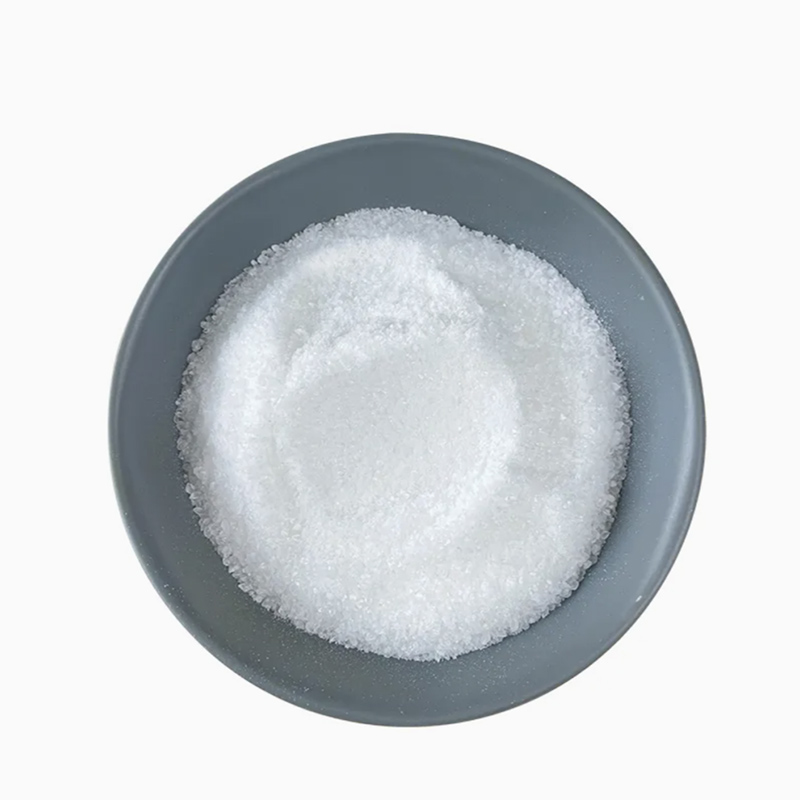

Dec. 16, 2025
Dec. 18, 2025
Dec. 16, 2025
Dec. 17, 2025
Dec. 19, 2025

Dec. 17, 2025
Dec. 25, 2025
Dec. 22, 2025

